NO. 12
Fall 2026

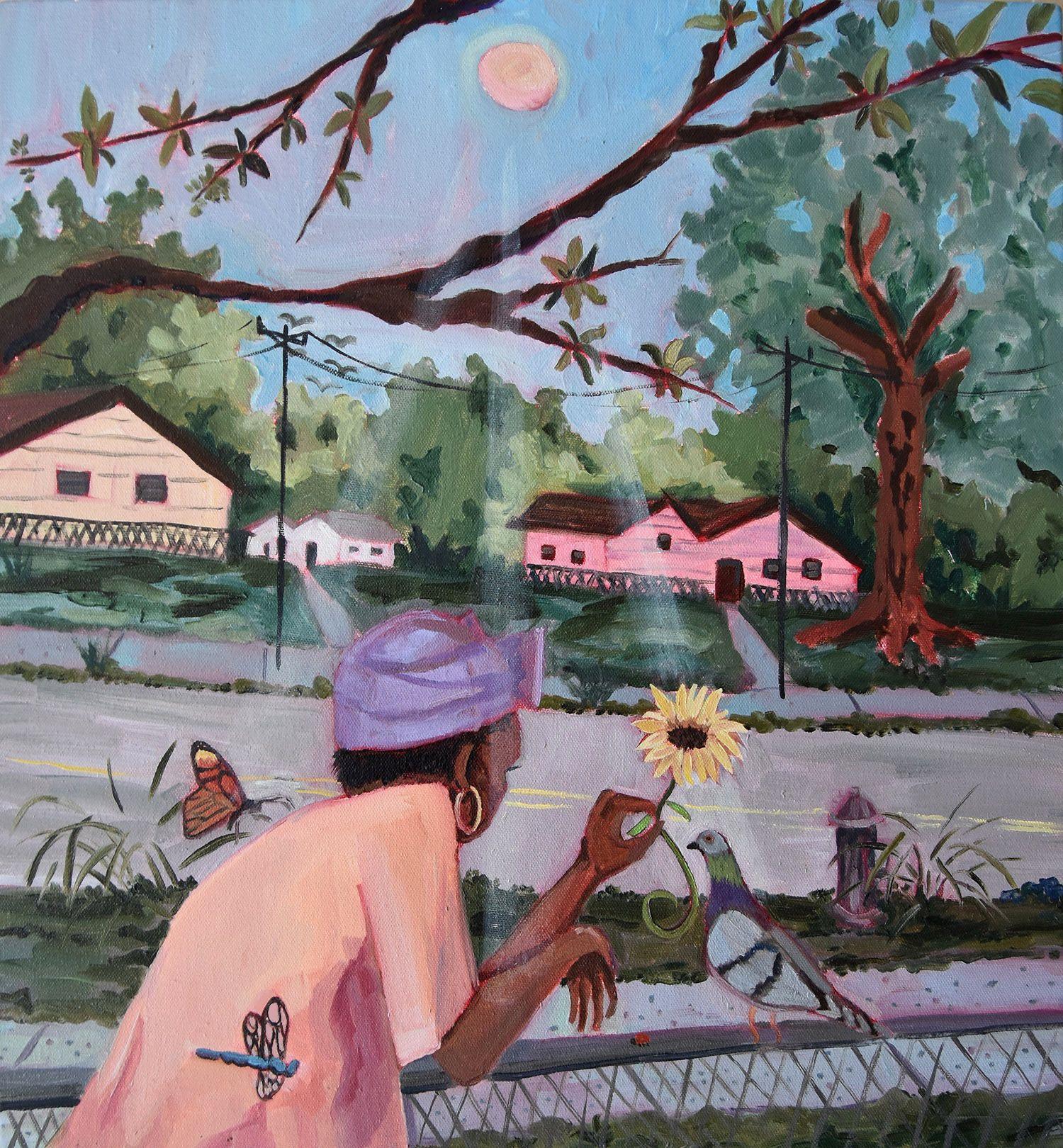

Fascists on the Streets of Memphis
The majority-Black city has become a laboratory for state violence, political repression, and the crude exploitation of vulnerable populations by superrich parasites.
1526 and the Beginnings of Black Resistance in North America
The 500th anniversary of a 1526 revolt by enslaved Africans shows us the chains of slavery being fastened and broken at the same time.
Trump’s Deadly Invasion of Memphis
A Black city tried to rein in abusive policing. Then Trump’s task force arrived.

The Democrats’ “Woke” Panic and the Left’s Response
The victory of left-wing candidates in Democratic primary elections shows that voters want a different path. But party leaders don’t.

Namwali Serpell and Marlon James on Toni Morrison and What Haunts Contemporary Black Literature
The two writers discuss “Sula,” how queer Black literature confronts erasure, and James’s new novel “The Disappearers.”

The Economic Crisis in Black America
Life for most Black people in the United States is a scramble to get by in the best of economic times — and with Trump’s cuts to social programs like Medicaid and food stamps, the times are getting worse.

Kelela’s Guide to Surviving Men and Raves
The writer Sesali Bowen sits down with the artist to discuss sonic racism, “niggas who refuse to read,” and her latest album, “new avatar.”


Camonghne Felix and the Work of Black Poets Today
The writer’s latest book, “Let the Poets Govern,” asks what it means to live a more honest life.

How the Truth Survives in Gaza
A Gazan journalist documenting the Israeli genocide says every time a witness is killed, another is there to take up their work.
The Many Lives of Black Panther Party Leader Don Cox
His friend Elaine Mokhtefi reflects on the militant organizer’s adventures in Algeria and beyond.

These Organizers Are Challenging Family Policing With Collective Care
Louisiana ripped Corey Best’s son from his life two decades ago. Today Best is crafting new solutions to helping families in crisis.

In Puerto Rico, the People Demand “ICE, Go Home!”
An intensifying ICE presence and local government complicity have prompted a defiant politics of sanctuary that is both pro-immigrant and anticolonial.


Two Bronx Teenage Girls on Growing Up Under Trump 2.0
Josie and Tina Vasquez have opinions about New York City’s public schools, the erasure of Black history, and the jobs they wish they had.

This Philadelphia Educator Is Rebuilding the Black Teacher Pipeline
Sharif El-Mekki’s credo: “The purest form of activism is teaching Black children superbly well.”
On “Leap Life,” Saul Williams Communes With the Dead
With his new album, the multihyphenate artist amplifies memories of resistance and highlights the voices of those no longer with us.


Trump Is Dusting Off an Old Blueprint for Disrupting Social Movements
The mid-1970s Church Committee investigation showed that the FBI, the CIA, and other intelligence agencies targeted the left collectively, not as isolated movements. We need to learn that lesson today.

The Brigadistas Who Defy the U.S. Siege of Cuba
As the Trump White House’s threats against Cuba intensified, Black organizers based in the U.S. were part of a delegation to show solidarity and bring badly needed aid.
Archive


NO PAYWALLS,
EVER
SIGN UP
TODAY
